
Preparing for Camp
A Note from Renee
Preparing for camp is an exciting time for both parents and kids, but I know it can also come with questions. Whether your child is heading to day camp for the first time or returning to their favorite overnight camp, helping them know what to expect can ease nerves and build confidence.
I’ve worked with thousands of families over the years, and I can tell you this: the more prepared your child feels, the more successful their camp experience will be. That’s what this page is for — to give you tools, tips, and guidance so your child walks into camp ready to thrive.
And remember, you’re not in this alone. If you need help or just want to talk things through, I’m here.
—Renee Flax
Director of Camper Placement

Renee Flax
Renee Flax is the Director of Camper Placement for the American Camp Association, New York and New Jersey. She has been assisting area families to find the right camp experience for their children since 1998. Renee has extensive knowledge of camp programs and philosophies. Each summer, Renee travels to dozens of ACA accredited camps. She knows the camp directors and senior staff personally and has a keen understanding of each camp’s philosophy, program and facilities. She is recognized as an authority on camping and has been featured in The Associated Press, The New York Times, The New York Post, Newsday, The Journal News, Parent Guide, and New York Family. Renee graduated from Syracuse University (1971) with a degree in Early Childhood Education. Renee attended summer camp for 15 years as a camper, counselor, and group leader. She is the mother of two daughters who were also long-time campers and grandmother to four grandchildren.

The Value of Camp
In today’s fast-paced world, camp gives kids the chance to slow down, connect face-to-face, and just be themselves. It’s a place to try new things, build confidence, and discover passions they didn’t even know they had. All of this happens in a caring, supportive community.

How to Choose a Camp
Every family is different, and every child is unique. Whether you’re looking for a full-summer program or just a few weeks, we’re here to help you find the right camp. The best camp is the one where your child will thrive and feel like they belong.

Why Choose An Accredited Camp
Safety comes first. ACA Accreditation means a camp has met rigorous national standards in health, safety, staffing, and programming. It is one of the best ways to know that a camp is committed to providing a safe and enriching experience for every child.

Camp Packing Basics
Every camp is different, so be sure to follow the specific list provided by your camp. That said, here’s a general guide to what your child might need to pack for a summer at day or overnight camp.
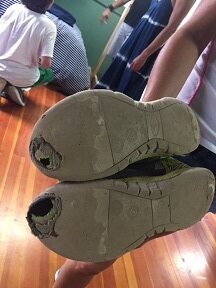
Tip 1: Label Everything – Use permanent markers or name labels on clothes, shoes, towels, and toiletries — it all helps when items end up in the lost-and-found.
Tip 2: Think Comfort and Layers – Days can be warm and nights cool. Pack a mix of clothing that can be layered so your child stays comfortable throughout the day.
Tip 3: Leave Valuables at Home – Camp is about connection, not possessions. Expensive gadgets, jewelry, or anything irreplaceable should stay home.
If you’re looking for a printable checklist, click the button below.

Frequently Asked Questions
Can my child have a phone at camp?
Most day and overnight camps do not allow campers to have cell phones which is a wonderful benefit of camp! Children take a break from their personal devices while at camp to connect with peers and staff. It’s an opportunity for a technology detox and to communicate face-to-face without screens.
What is the communication policy of overnight camps?
Each camp has different communication policies so it’s important to understand a camp’s policy before signing up. Some parents prefer lots of camp communication while others prefer less. Ask about the number of camper phone calls home a summer, one-way emails to keep in touch with your child and how often the camp posts pictures (if at all). You may also want to inquire about the amount of time it takes for camp leadership to get back to you by phone/email if you have a concern during the summer.
Do you offer assistance in learning about camps that offer scholarships or financial aid?
We do! You can contact the American Camp Association, NY and NJ for a free list of camps that offer financial assistance. You can then contact the camps directly to learn more.
Do camps offer scholarships or financial aid?
Yes! Not-for-profit day and overnight camps offer scholarships and financial aid. It’s best to reach out to camps early (fall is an ideal time) to inquire about scholarships and financial aid.
What do camps do to help ease nervousness for first-time campers?
Both day and overnight camps offer various opportunities for a new camper to get ready for camp. Day camps offer open houses before the first day of camp where campers can meet their counselors, walk around camp, get on a bus to see what it’s like and more! Many overnight camps also offer a new camper get-together at camp a few weeks before camp begins so campers can feel more comfortable as the first day approaches. Camp directors are also happy to connect families with other new campers that may share similar interests.
What is the best way to prepare my child for camp?
Talking positively about camp is a wonderful way to prepare your child for camp. It’s normal for a child to feel nervous as camp approaches but remaining positive and reminding your child why they are going to camp will go a long way in your child having a positive camp experience. Be sure to answer your child’s questions about camp and if you don’t have the answer, reach out to the camp director for guidance.
What if my child is homesick while at camp?
It’s not uncommon for children to feel some homesickness at camp. They are in a new environment with new people, however, feeling a bit uncomfortable and missing home is ok. Children can be homesick and still enjoy summer camp. If you are concerned, reach out to the camp director to understand how your child is coping at camp and how bad the homesickness really is. Often times, by the time you receive a letter mentioning homesickness, the moment has passed. Extreme homesickness is rare and if your child is experiencing it, the camp director would reach out to speak about it.
Can my child go to overnight camp if they have a food allergy?
Yes! Many children with food allergies attend overnight camp successfully. It’s important to have conversations with the camp director before you register your child for camp to make sure you feel comfortable with food safety protocols in place to ensure your child’s safety while at camp.
Is it ok to send siblings to different camps?
Yes! While some parents like to send their children to the same summer camp, often times children have different needs. One camp may be perfect for one of your children but not the other. Check out start dates and visiting days to make sure you can logistically make it work but it is very common for siblings to go to different camps.
Does my child need to go to camp with a friend?
Absolutely not. While some children may feel more comfortable going to camp with a friend, it can sometimes backfire. Your child may use that friend as a crutch, not branching out to make new friends. Or the friend can decide at camp to go off and make new friends and your child may feel left out. This can then have an effect on the home friendship. Camp is all about forming new friendships and while your child may not know anyone at first, this will quickly change! If your child is concerned, you can reach out to the camp about putting you in touch with a child with similar interests as yours so they have a familiar face on day one.
How will I know which is the right camp for my child?
Think about who your child really is and where they would thrive. Find out about a camp’s philosophy, mission and values. Does it match your own family’s values? Think about the types of activities your child will enjoy and where they will be the most successful. Have open conversations with the camp directors at the camps you are considering. Make sure to describe your child—the positives and negatives– and ask if they feel that your child will be successful at the camp.
What is the right session length to go to camp?
There is no one size fits all, however, it’s good to think about future summers and not just summer #1. If you feel your child will eventually want a longer session, make sure you choose a camp where your child will be able to stay longer as time goes on. You don’t want to have to switch camp environments so your child can go for more time as they get older. Think about what you would like your summers to look like before choosing a camp. Know that many seven week camps offer shorter sessions for your child’s first summer. There are also session camps where you can go for part of the summer or the full summer.
Should we tour camps before choosing a camp?
If you have the time to tour camps, it’s always great to see camp in action the summer before your child will attend. This gives families a good feel for the culture of the camp. Overnight camps offer tours in the summer and sometimes into the fall. Day camps will tour all year round so even if you can’t see the camp in action in the summer, you can tour and see the buildings in fall, winter or spring. If you are unable to tour, don’t worry! Many camps have virtual tours on their websites and you can set up a zoom call with the leadership team to learn more about the camp.
What are some ways to find the right camp for my child?
There are many ways to find a day or overnight camp. Speak with friends about their child’s experience at camp but also do your own research as each child and family is different. What is a perfect camp for one family might not be the best for yours. You can search our find-a-camp website, attend a camp fair, visit a camp’s open house, tour camps the summer before or pick up the phone and call the American Camp Association, NY and NJ for free, personalized advice in finding a camp.
How should I begin my camp search?
First, think about what you would like the camp experience to look like for your child. Are you looking for a full summer experience or a few weeks? Are you looking for a specialty camp or a program that offers a variety of activities? Are you looking for an elective or traditional program? Writing down your must-have items for the camp experience will help you focus your camp search to find the best camp for your child.
What is the right age to start an overnight camp?
There is no perfect age to start overnight camp—it’s when your child is ready for the experience. Some children are ready by age eight. Others at age ten or older. Your child should be able to take care of certain things independently such as showering, brushing their teeth and feel comfortable sleeping out of the home. Your child should also be able to express an interest in overnight camp and feel excited about the experience. This doesn’t mean there won’t be any nervousness as camp approaches but there should be an interest.
Related Articles

Pick Me Up: The Dreaded Camp Letter Home
To My Family While I am Away at Camp!

Summer Camp for Kids – Now More Than Ever! by Andy Pritikin

Fiver Will Always Be My Home by Terrence Chapman